
Protecting our climate is at the heart of a sustainable energy system
By developing and implementing sustainable energy storage projects and energy technologies, RAG supports the goals of the European Union's Clean Industrial Deal.
 ©
©
Energy Supply
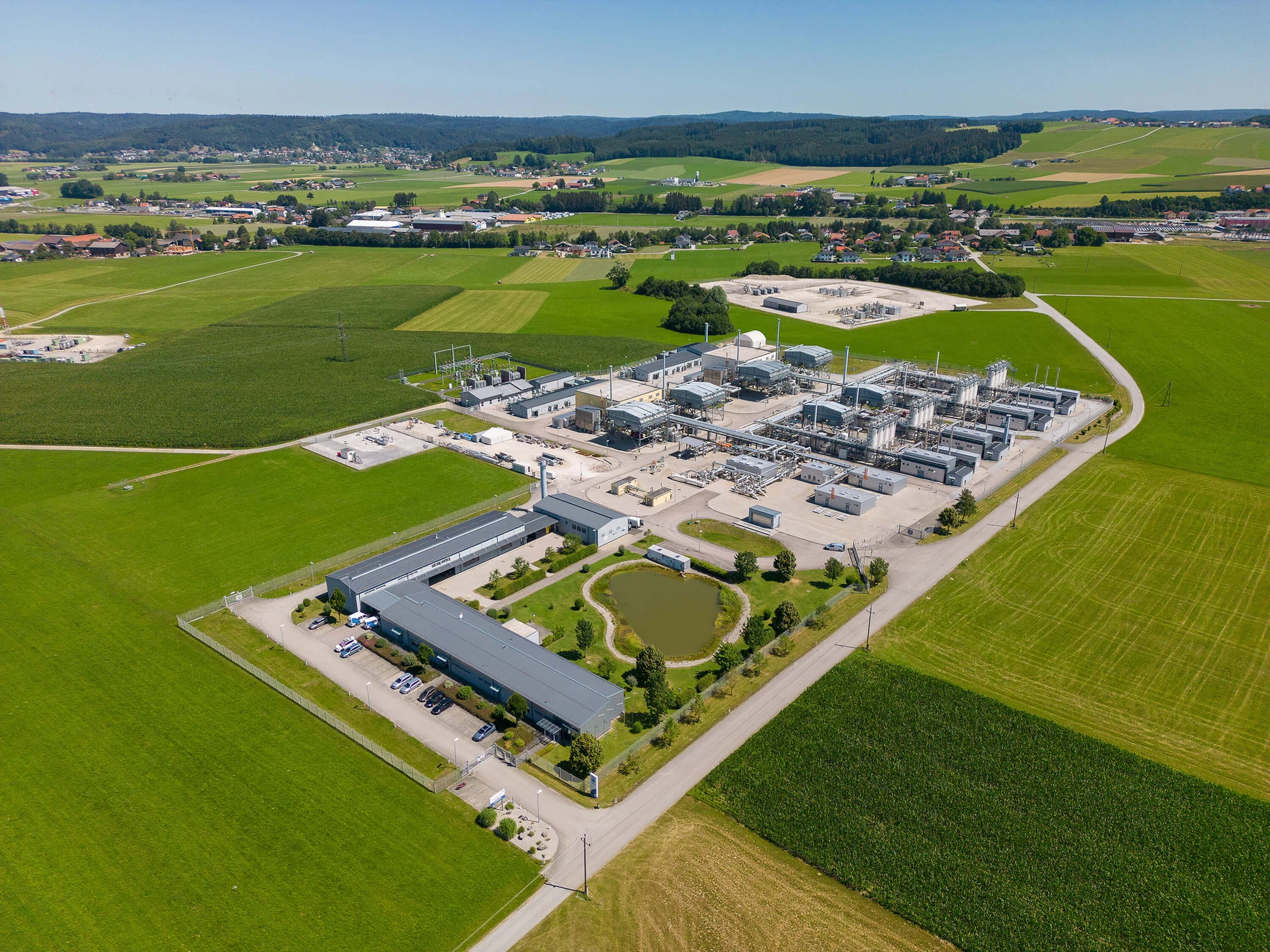
In addition to securing the supply of natural gas as an energy source and maintaining the corresponding infrastructure, RAG has been working for many years on technical solutions to reduce emissions. The specific shape of the energy transition will determine the extent to which the company will be able to use its expertise to provide a secure and climate-neutral energy supply in the future.
Until then, natural gas will continue to play a central role in the medium term, especially in the winter months, according to the EU's assessment.
The operation of our technical facilities and the extraction and storage of crude oil and natural gas lead to emissions of greenhouse gases and air pollutants. Emissions are also generated by the use of these raw materials for the regional supply of industry and households.
 ©
©
Reduction of emissions
Our stated goal is to gradually reduce all emissions that we can influence. Ensuring security of supply while simultaneously protecting the climate represents a major challenge. Nevertheless, we are pursuing a clear path: by 2040, the company’s own GHG emissions should have reached net zero and regional air emissions should be significantly reduced.
For many years, RAG has systematically determined its direct and indirect GHG emissions (Scope 1 and Scope 2) to reliably quantify its contribution to climate change. For the financial year 2023, this accounting was expanded for the first time to include indirect emissions along the value chain (Scope 3) - incorporating all locations and areas of activity and with the support of external experts.
The ESG working group responsible for this topic has already defined concrete reduction targets for Scope 1 and implemented initial actions. Targets for Scope 2 and Scope 3 are being set gradually to ensure a continuous improvement process. These targets form the basis of our decarbonization strategy and underscore RAG’s commitment to taking responsibility at an early stage.
If you would like to learn more about our targets and progress in addressing climate change, please refer to the Sustainability Report 2025.
 ©
©
Climate risk analysis
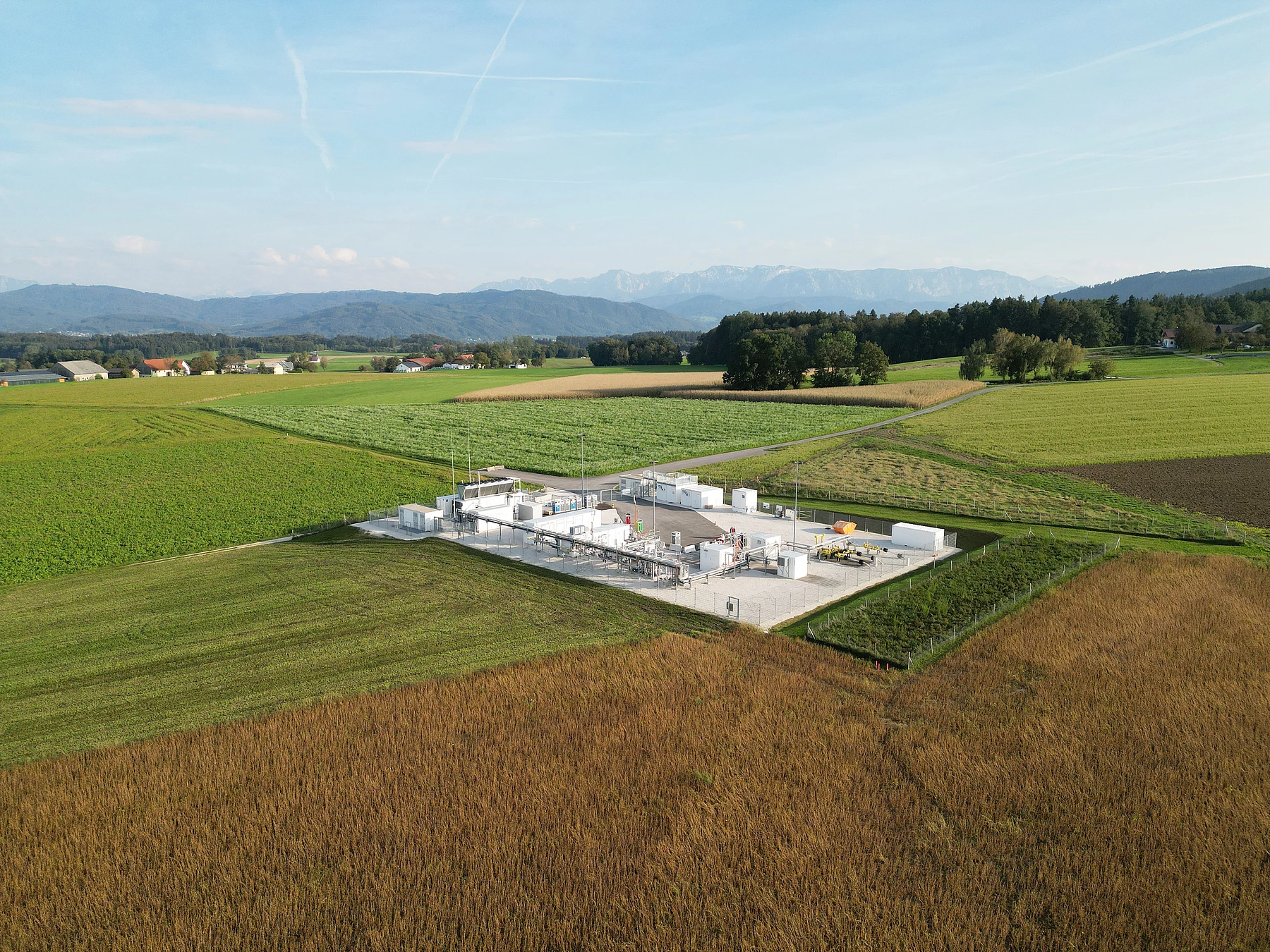
In order to identify climate-related risks in its own operations, a detailed climate risk analysis, including a vulnerability assessment, was carried out in the summer of 2024 for the company's most important locations with the support of external experts.
The chronic and acute impacts of water, wind, temperature and solids were assessed for the periods 2030, 2050 and 2100 using various concentration pathways from the IPCC (Intergovernmental Panel on Climate Change).
The climate risk analysis showed that RAG is largely resilient to climate hazards and that there is currently little need for action.
With regard to transitional risks, RAG recognized the future challenges at an early stage. The company's internal assumptions and forecasts are largely in line with climate scenarios and developments in the energy market. Through its strategic focus on hydrogen production and storage, RAG is playing a leading role in providing low-carbon energy solutions, thereby opening up significant transitional opportunities.